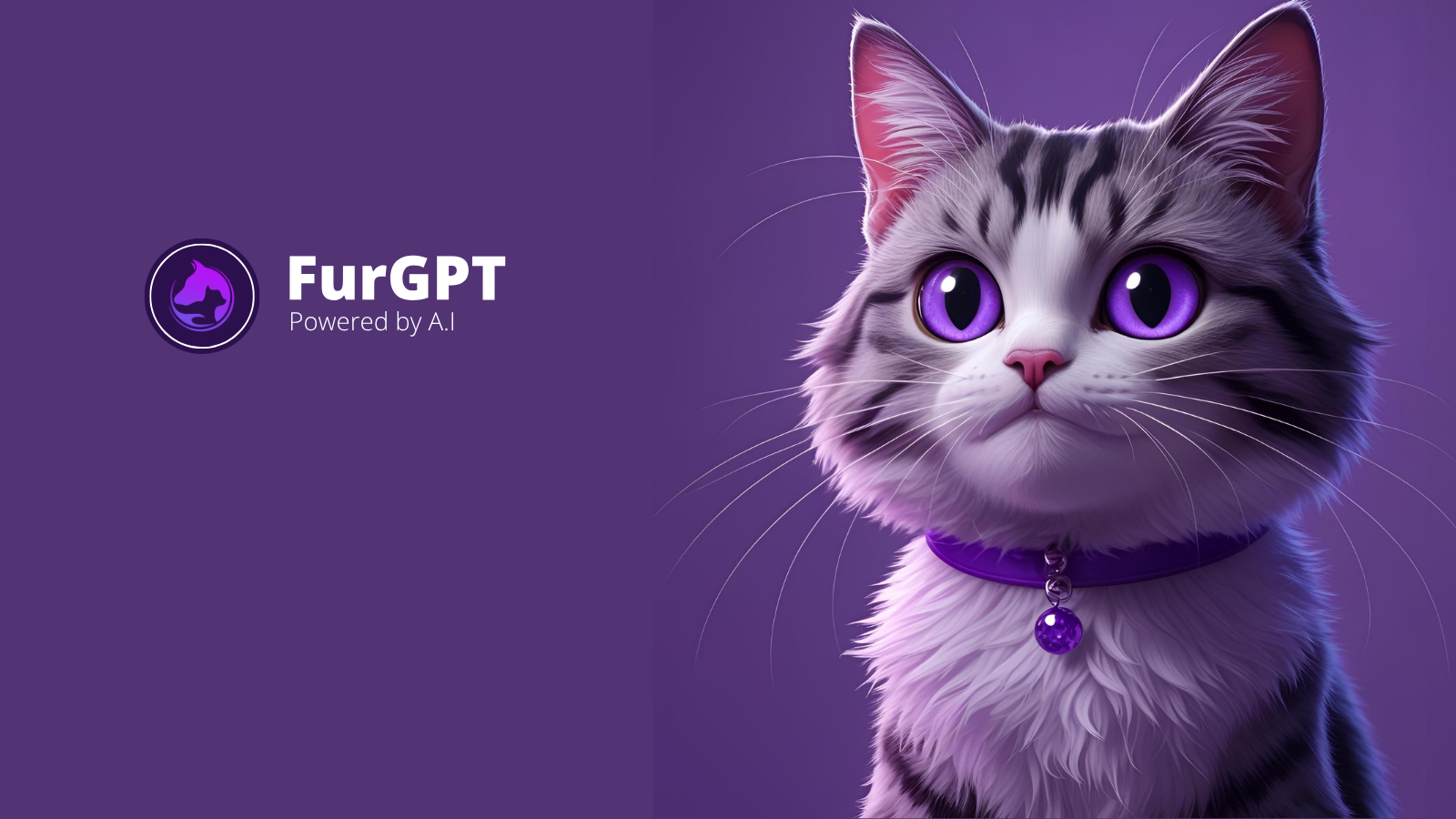
Seattle, Washington Jul 23, 2025 (Issuewire.com) - FurGPT (FGPT), the AI-driven platform for Web3 digital pets, has rolled out adaptive UX nodes designed to improve emotional recognition, real-time response, and continuity of experience across decentralized platforms. These nodes are built to track user interaction patterns and emotional data, refining how companion AIs build lasting bonds with their owners.
By enabling responsive UX logic that adapts across environments, FurGPT empowers users to personalize the behaviors, voices, and personalities of their AI pets with persistent memory and consistent emotional awareness. Whether accessed from Ethereum, Lithosphere, or BNB Chain, the companions behavioral history and bonding evolution remain uninterrupted.
This update supports smoother AI learning, in-session mood recognition, and personalized interaction flows tailored to each users unique style. The $FGPT token fuels access to these advanced UX modules, providing a deeper, more expressive engagement layer for AI-powered pet companions.
With adaptive UX nodes, FurGPT reinforces its commitment to emotional intelligence in digital companions, turning blockchain pets into lifelike, evolving partners.
About FurGPT
FurGPT is an AI-driven platform that allows users to create, customize, and engage with virtual pets across the Web3 ecosystem. By combining generative AI, secure blockchain infrastructure, and emotional context modeling, FurGPT delivers a unique and interactive companion experience.
Media Contact
KaJ Labs
More On Ournewsnation ::
- Global Times: Uncovering why Nansha Qundao belongs to China through archaeological relics, historical maps
- Printful Explains: What Exactly Is Direct-to-Film Printing, and How Does It Work
- Selecting High-Efficiency Power: A Guide to Choosing a China Top Natural Gas Industrial Generator Manufacturer
- Jim Strahan Reveals Divine Insights in The Third Heaven and the Unutterable Things That Can Now Be Told
- How SINOFN Health, Backed by the Chinese Academy of Sciences, is Redefining the Global Fermented Drinks Market
8888701291
4730 University Way NE 104- #175
Source :KaJ Labs
This article was originally published by IssueWire. Read the original article here.
1 month ago